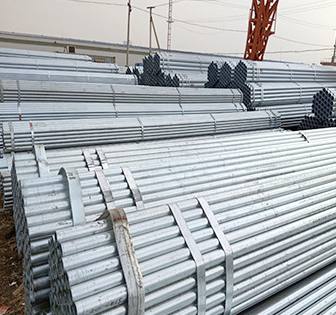
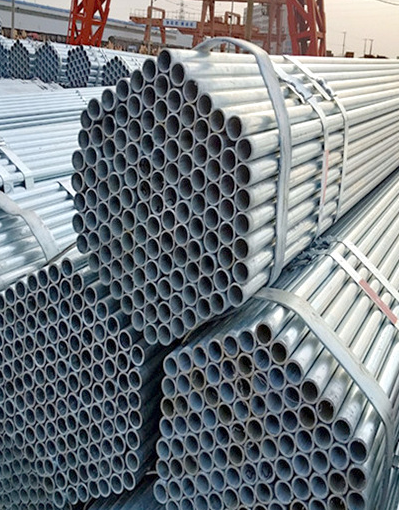
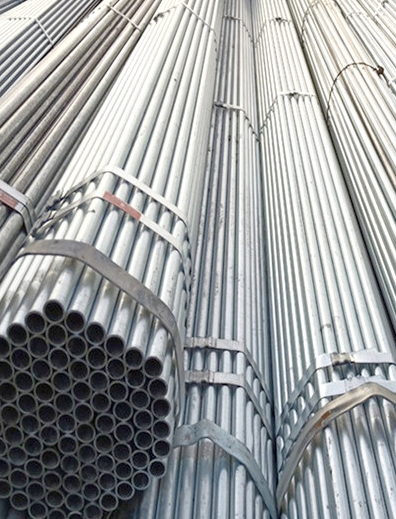
Galvanized conduit, as a crucial cable protection pipe in electrical wiring systems, has become the preferred choice for various construction and industrial projects due to its excellent performance, wide applicability, and outstanding cost-effectiveness.1. Product Structure and MaterialGalvanized conduits are made from high-quality precision high-frequency welded carbon steel pipes, which have good mechanical properties and processing performance. The internal and external surfaces of the steel pipe undergo pretreatment, followed by a hot-dip galvanizing process that ensures the zinc layer tightly adheres to the surface of the pipe, with a typical zinc content of ≥300g/㎡. This process not only grants the conduit excellent rust and corrosion resistance but also significantly enhances its lifespan. Some products undergo fine processing to remove weld spatter and burrs on high-quality galvanized steel pipes, ensuring a smooth inner surface to prevent scratching of wire insulation during threading.2. Product CharacteristicsRust-resistant and durable:The galvanized layer acts as a robust armor, effectively isolating air, moisture, and various corrosive substances from the steel pipe, greatly reducing the risk of rust and corrosion. Whether in a humid indoor environment, such as kitchens and bathrooms, or facing harsh outdoor conditions like wind, rain, and high salinity in coastal areas, galvanized conduits maintain stable performance and are not easily damaged over long-term use, providing reliable protection for cables.Compared to ordinary steel pipes, its corrosion resistance is significantly enhanced, extending its lifespan multiple times under normal usage conditions, reducing replacement and maintenance costs and hassle.Exceptional strength, safety, and reliability:The steel-based structure endows galvanized conduits with high mechanical strength. They can withstand impacts, compression encountered during handling and installation, as well as external forces in the working environment, such as foot traffic or vehicle traffic when laid on the ground, and the weight of cables and the conduit itself when installed in ceilings. They are not easily deformed or broken, creating a solid protective barrier for internal wires and cables, ensuring the safe and stable operation of electrical circuits.Even in special locations like industrial plants with frequent vibrations and mechanical impacts, galvanized conduits can protect cables from damage due to their outstanding strength, maintaining the continuity of power supply.Easy installation and simple maintenance:The product surface is smooth and is equipped with a variety of interface accessories, including straight joints, elbows, junction boxes, etc., to meet the connection needs in different wiring scenarios. During installation, connections can be made using methods like threaded connections, socket joint connections (suitable for small diameters), spigot and socket connections, or clamp connections (suitable for large diameters), which are easy to operate, saving time and effort, effectively improving construction efficiency.Due to the stable nature of the galvanized layer, under normal usage conditions, frequent maintenance is unnecessary; regular simple inspections are enough to ensure it remains in good working condition for a long period, significantly saving on later maintenance costs and manpower investment.
Good insulation, worry-free electricity usage: Although steel pipes are conductive materials, the galvanized layer effectively prevents internal rusting of the conduits, reducing the likelihood of safety issues caused by poor contact. At the same time, combined with proper grounding measures, galvanized conduits can form a reliable electrical pathway, timely directing any potential leakage current into the ground, effectively ensuring electrical safety, avoiding leakage and short circuit incidents, and providing strong protection for personnel and equipment safety.Economical and cost-effective: Compared to high-end pipe materials such as stainless steel, galvanized conduits are more affordable, offering significant cost advantages. However, they perform excellently in key areas like rust resistance and mechanical strength, meeting the usage requirements for the vast majority of conventional projects, with a long service life and high overall cost-effectiveness. Under the premise of ensuring project quality, they can save a lot of funds for the project, thus being widely adopted in many engineering projects.3. Product ApplicationsElectrical wiring in buildings:Galvanized conduits are widely used in the installation of various electrical lines in residential, commercial, and public buildings, including power systems, lighting systems, and low-voltage systems. From distribution boxes to sockets and lamps in various rooms, as well as network, communication, and security low-voltage lines, galvanized conduits provide comprehensive protection for wires and cables, ensuring the safety, tidiness, and aesthetics of indoor electrical wiring.When concealed or exposed in parts of buildings such as walls, floors, and ceilings, galvanized conduits can easily adapt to meet the needs of different building structures and decoration styles.Outdoor engineering wiring:For outdoor lighting systems, such as streetlights and garden lights, as well as the cabling for monitoring systems, galvanized conduits are the ideal choice. Their strong anti-rust and corrosion-resistant properties, along with good mechanical strength, can withstand the erosion of complex outdoor environments, such as sun exposure, rain wash, and wind and sand wear, ensuring that cables can continue to work normally despite long-term exposure to external environments, thus ensuring the stable operation of lighting and monitoring systems.In outdoor overhead wiring or underground buried wiring scenarios, galvanized conduits also perform excellently. When buried underground, combined with appropriate anti-corrosion measures, they can effectively prevent the corrosion of pipes and cables by acidic and alkaline substances in the soil; in overhead installation, they can withstand wind and rain, as well as a certain degree of mechanical vibration, ensuring the safety and reliability of the lines.
Industrial Application: The electrical wiring environment in industrial factories is complex, with many mechanical equipment that generate vibrations, impacts, and potentially corrosive gases and liquids, which places extremely high demands on cable protection. Galvanized conduit, with its high strength, corrosion resistance, and good grounding performance, has become the first choice for electrical wiring in industrial factories. Whether it is power cables, control cables, or lighting cables, galvanized conduit can provide reliable protection, ensuring smooth industrial production and reducing the risk of production interruptions caused by electrical line failures.Special Environment Application: In some special places with extremely high safety requirements, such as flammable and explosive chemical workshops, oil depots, and mines, galvanized conduit is specially designed and treated to meet the relevant explosion-proof and fire safety standards. It can effectively prevent electrical sparks from causing explosions and other dangerous situations, while its good grounding performance helps improve overall safety, providing reliable protection for electrical systems in special environments.